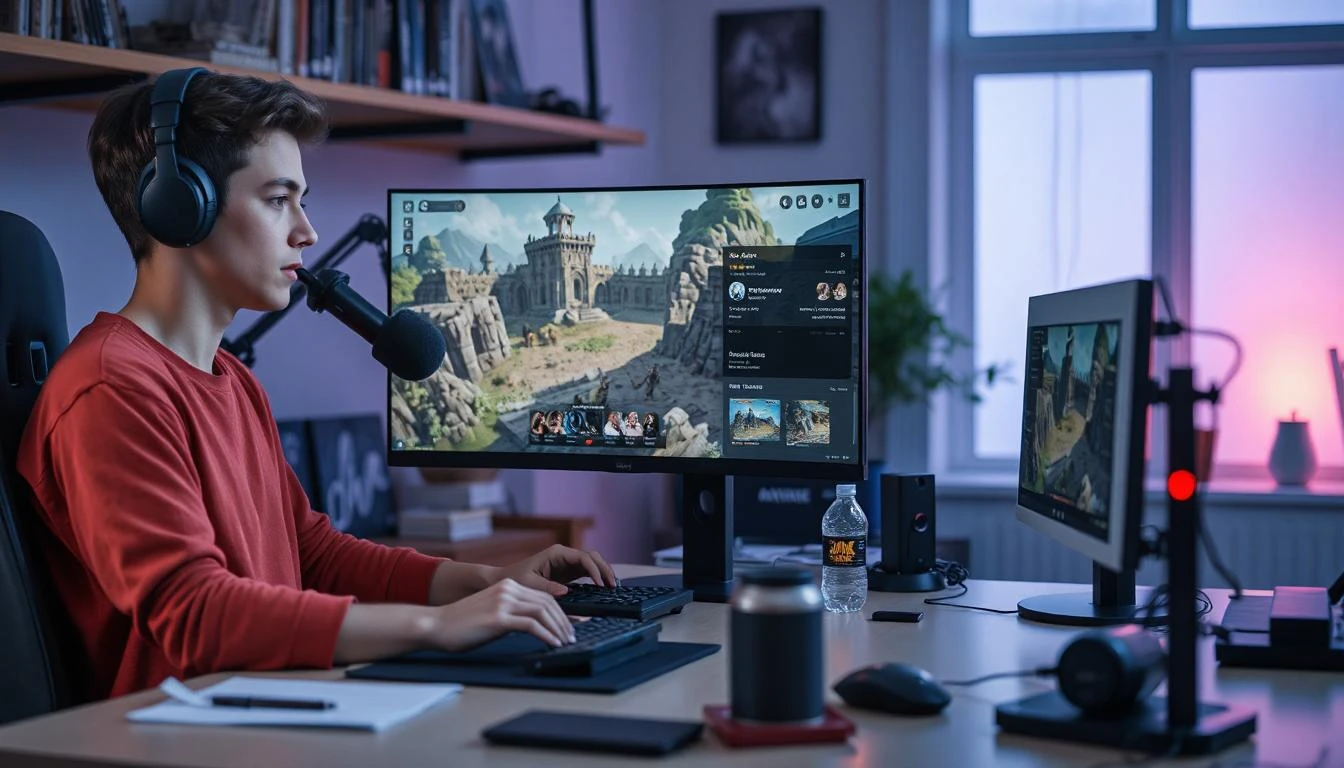
In Game Economy Trends Players Follow Today
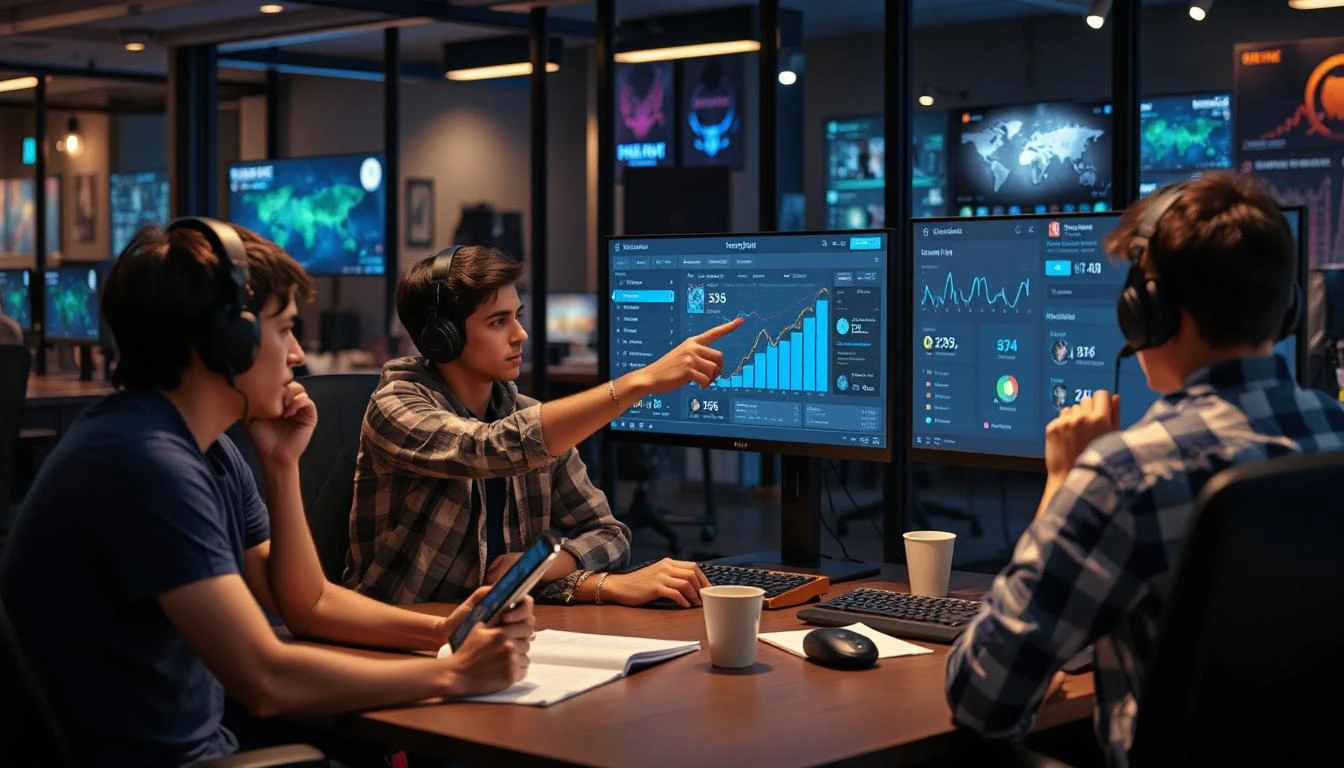
The gaming world is no longer just a space for competition or storytelling, it has evolved into a dynamic digital ecosystem where value, strategy, and timing intersect. Every login, every trade, and every purchase now contributes to a larger invisible structure that behaves almost like a living economy.
Players today are not only gamers but also participants in a constantly shifting marketplace shaped by behavior, scarcity, and demand. This transformation is deeply tied to virtual game economy trends, where digital assets and in-game decisions carry real strategic weight, influencing how people play, invest, and interact across global gaming platforms.
Understanding Modern In Game Economies
Before diving deeper into systems and mechanics, it’s important to understand how modern in-game economies function as structured yet unpredictable ecosystems shaped by user interaction and developer design.
In today’s gaming world, economic systems are no longer static, they evolve continuously based on player engagement, seasonal updates, and global demand shifts, all of which are strongly influenced by virtual game economy trends. Player trading market strategies are increasingly used by experienced players to anticipate price fluctuations, identify undervalued assets, and maximize returns within virtual marketplaces.
Virtual currency and trading systems
Virtual currencies act as the foundation of every in-game economy. Whether it’s gold in MMORPGs or credits in competitive shooters, these currencies define access, power, and progression. Their value often fluctuates based on supply mechanics and player-driven demand cycles.
Marketplace trends in online games
Online game marketplaces have become sophisticated hubs resembling real-world trading platforms. Items are listed, auctioned, and exchanged in real time, influenced by scarcity and community sentiment. These systems reflect broader virtual game economy trends, especially in how liquidity and demand interact.
Limited edition items driving demand
Scarcity is one of the strongest forces in digital economies. Limited-time skins, exclusive weapons, and seasonal collectibles generate urgency among players. As game analyst Serena Kappes once noted, “Scarcity in digital environments creates emotional urgency stronger than most real-world markets.” The moment an item disappears from circulation, its perceived value often multiplies beyond expectation.
Player Behavior in Digital Marketplaces
Understanding player behavior is essential to decoding how virtual economies function. Every transaction reflects psychological triggers such as fear of missing out, status signaling, and long-term investment thinking. These behavioral patterns are strongly shaped by evolving virtual game economy trends, where digital ownership becomes both emotional and strategic.
Microtransaction spending habits
Microtransactions have reshaped gaming revenue models. Small, repeated purchases accumulate into significant economic flows, driven by convenience and psychological reward systems. These behaviors are often guided by in-game currency inflation and promotional cycles.
Collectible skins and cosmetic popularity
Cosmetic items have become cultural symbols within gaming communities. Rare skins often signal identity, experience, and exclusivity. Their value is no longer just aesthetic but also economic, tied directly to digital asset ownership trends.
Community driven item valuation trends
Community perception plays a major role in determining item value. Social platforms, streamers, and forums heavily influence pricing dynamics, creating decentralized valuation systems that shift rapidly. As game designer Jason VandenBerghe explains, “Player communities are now the real economists of virtual worlds, they decide what matters and what doesn’t.”
The Future of Gaming Economies
The next phase of gaming economies is moving toward deeper integration with real-world financial technologies and artificial intelligence. These developments are expected to redefine ownership, trading, and personalization in games. This evolution is strongly driven by advanced virtual game economy trends, where interoperability and automation reshape how players interact with digital assets.
Blockchain integration in gaming markets
Blockchain technology introduces transparency, security, and true ownership of digital assets. Players can verify item authenticity and transfer assets across systems, strengthening long-term economic trust.
Cross platform virtual asset trading
Future gaming ecosystems may allow assets to move freely between different games and platforms. This cross-compatibility will redefine value creation and expand MMORPG marketplaces into interconnected global networks.
AI driven personalization in game stores
Artificial intelligence is transforming in-game stores by analyzing behavior patterns and predicting player preferences. This leads to highly personalized offers, optimizing both engagement and monetization.
Stay Ahead with the Latest In Game Economy Trends
The gaming economy is no longer a background system, it is the core structure shaping modern digital interaction. Understanding these systems gives players a strategic advantage in navigating evolving markets and competitive environments.As virtual game economy trends continue to evolve, those who adapt quickly will find themselves ahead in both value accumulation and gameplay efficiency.
The future belongs to players who think beyond mechanics and start reading the economy like a living system. Or as digital strategist Elena Morales puts it, “In-game economies are not just part of gaming, they are the game within the game.” This is where awareness turns into advantage, and casual play transforms into strategic participation.